
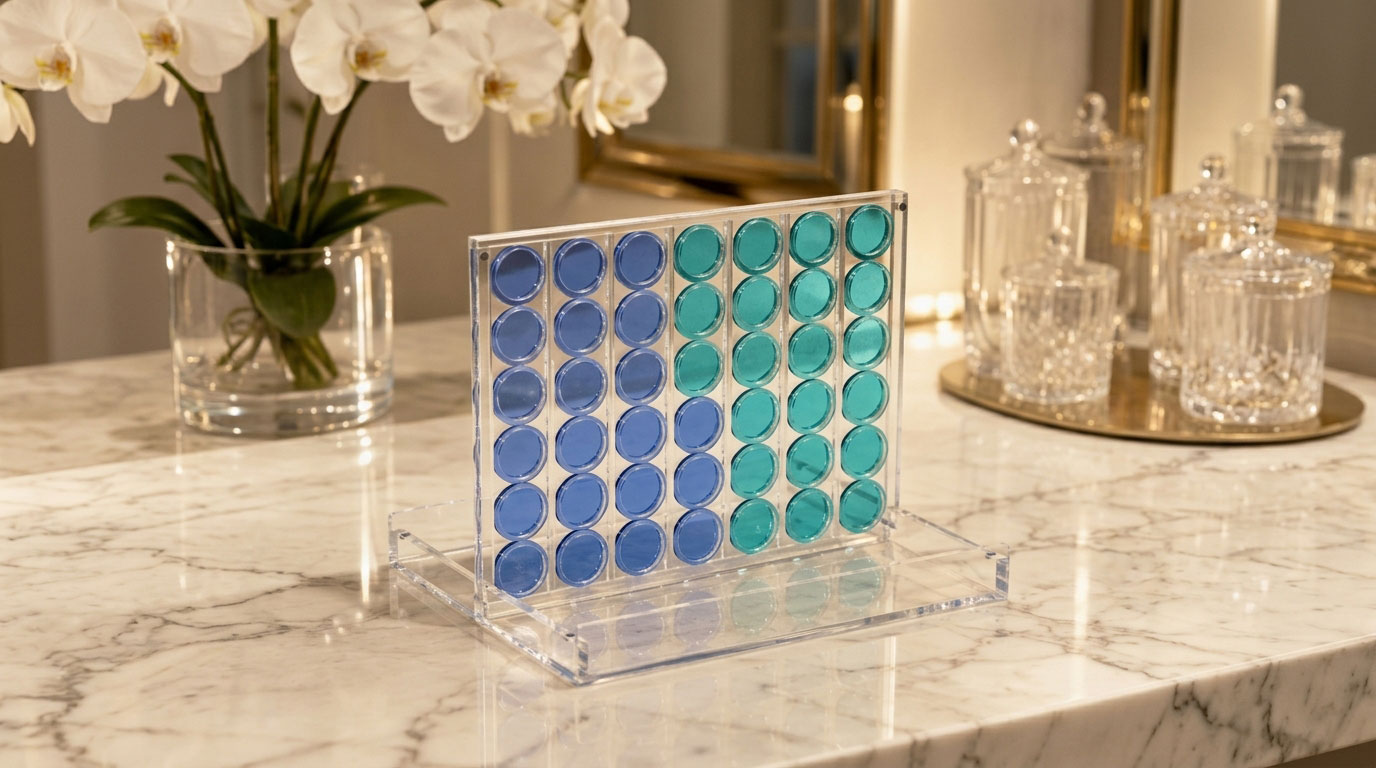
A bulk custom game order is easier to review when its decisions are recorded before production. The following seven checks address gaps that a general product description or verbal approval can leave unresolved.
1. Comparing different scopes
Use one component list when requesting quotations. Match quantities, materials, artwork, accessories, individual packing and outer cartons; identify exclusions before comparing totals.
2. Treating an image as a specification
A picture cannot define dimensions, tolerances or construction. Add a drawing with measurement points and identify which details must fit together. Agree tolerances appropriate to the design and process instead of copying a universal millimetre figure.
3. Approving ambiguous artwork
Name each file revision and supply a symbol or component key. Record colour references, print orientation and decoration boundaries. Ask for confirmation that the reviewed artwork is the version used for the sample.
4. Assuming material and performance claims
Request material identification and evidence for any proposed performance claim. Define the test conditions that matter to the game’s intended use. Do not treat “premium” as a measurable specification.
5. Skipping a recorded sample decision
List accepted features, requested changes and unresolved questions separately. Clarify whether another sample is needed and whether any change affects cost or timing. Keep a reference sample or documented reference set.
6. Leaving inspection and remedies vague
Define cosmetic, dimensional, functional and packing defects. Agree the sampling approach, reporting process and remedies in writing. There is no defect-rate benchmark established by this guide for all custom acrylic games.
ISO 2859-1:2026 describes acceptance sampling by attributes. If a sampling plan is required, agree the applicable plan and defect definitions with the inspector; a generic defect-rate percentage is not a substitute for an order-specific inspection agreement.
7. Reviewing packing too late
Assess the game and its packaging together. Check component movement, separation of decorated surfaces, pack count and label accuracy. Plan transport assessment for the intended route before the final packing arrangement is approved.
ISTA’s test-procedure directory distinguishes packaging tests by distribution context. Select a relevant procedure with the test provider for the actual product and package, rather than treating a drop-test claim as universal protection.
Prepare the next discussion
Send the product drawings, artwork revision, estimated quantity and destination through our project contact page. Keep the accepted sample, specification and packing instructions together so that the quotation and later inspection refer to the same version.