
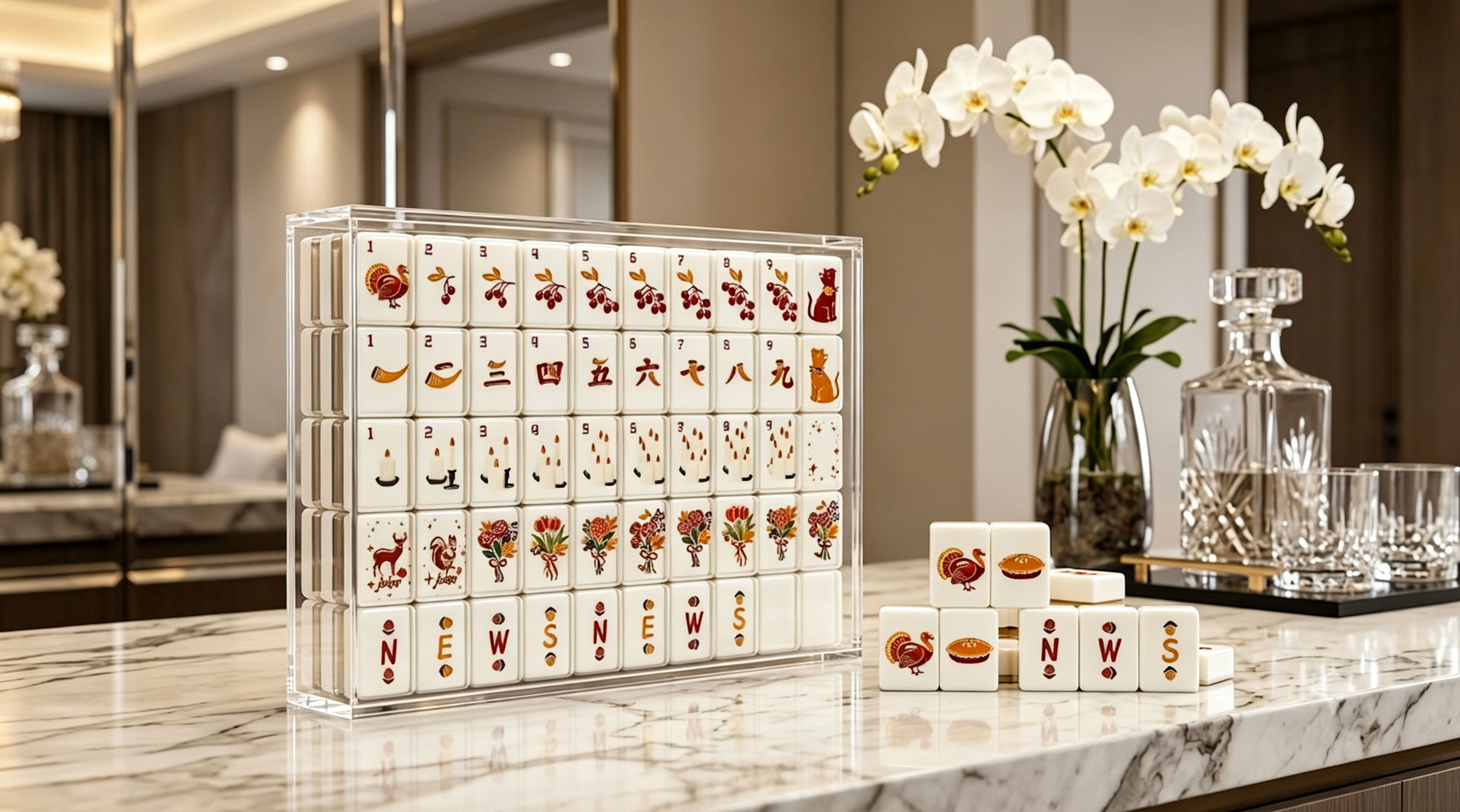
Design packaging around the complete set and its delivery route. A presentation box, storage bag and shipping carton serve different purposes. Confirm the chosen materials, construction and documentation for the project; a packaging style alone does not establish market compliance or protection in transit.
Choose the role of each packaging layer
| Option to discuss | Useful decision questions | Sample check |
|---|---|---|
| Soft storage bag | Will it hold loose tiles, racks or an already boxed set? Is internal separation needed? | Seam strength, closure, abrasion against the tile finish and easy removal |
| Printed paper box | Is it a retail presentation layer or the shipping pack? Which insert keeps contents apart? | Dimensions, print alignment, opening experience and movement inside the box |
| Rigid gift box or carrying case | Which handle, hinge, latch and internal layout suits the packed weight? | Fit with the complete set, closure operation and carrying checks |
| Display storage box | Does visibility matter? Which surfaces need protection during packing and cleaning? | Access, tile separation, surface contact and finish |
| Outer shipping carton | How will orders be handled, stacked and delivered? | Complete pack dimensions, weight, cushioning and a route-appropriate transport test |
Start with a verified packing layout
Provide an itemised contents list covering tiles, spares, racks, pushers, dice, mat and printed inserts as applicable. Measure the actual items rather than relying on an unverified “standard set” size. Ask for a layout drawing and a physical fit check. Leave enough access for users to lift components without forcing them against decorated surfaces.
Approve branding separately from structure
Prepare the box artwork using the approved dieline. Identify logo position, print colours, barcode area, required labels and any coating or foil effect. Check a printed sample at actual size and confirm how the appearance will be accepted. A screen mockup can illustrate design intent but cannot prove the texture, colour or strength of a finished box.
Plan transport checks around the route
Identify whether the shipment is bulk freight, individual parcel delivery or onward e-commerce fulfilment. Agree the packed sample, cushioning, test sequence and acceptable outcomes with the relevant packaging or testing partner. Record damage to both packaging and contents. Do not treat a generic “shockproof” or “moisture-proof” label as an unconditional shipping guarantee.
What documentation should be requested?
Share the destination, intended users and packaging materials with the party responsible for compliance review. Request the applicable documents with the product or material scope, issuing party and date. Management-system certificates, material test reports and destination requirements are different types of evidence; a list of logos cannot establish that every pack is compliant in every market.
Frequently asked questions
Can different packaging styles be quoted together?
Provide a quantity split for each style and artwork version. Confirm separate minimum quantities, setup charges and packing responsibilities in the quotation.
Can I approve the box before the full set is ready?
You can review artwork and structure provisionally. Reserve final fit approval until representative contents are available and record any temporary substitutes.
Who pays for replacement packaging after damage?
Agree the evidence, reporting period, defect definitions and cost allocation in the order terms before production. This article does not create a free replacement promise.
Review the sample approval steps and mahjong box project page, then share your contents list through the customization brief.
Transport-test reference
ISTA’s test-procedure directory distinguishes packaging tests by distribution context. Select a relevant procedure with the test provider for the actual product and package, rather than treating a drop-test claim as universal protection.