
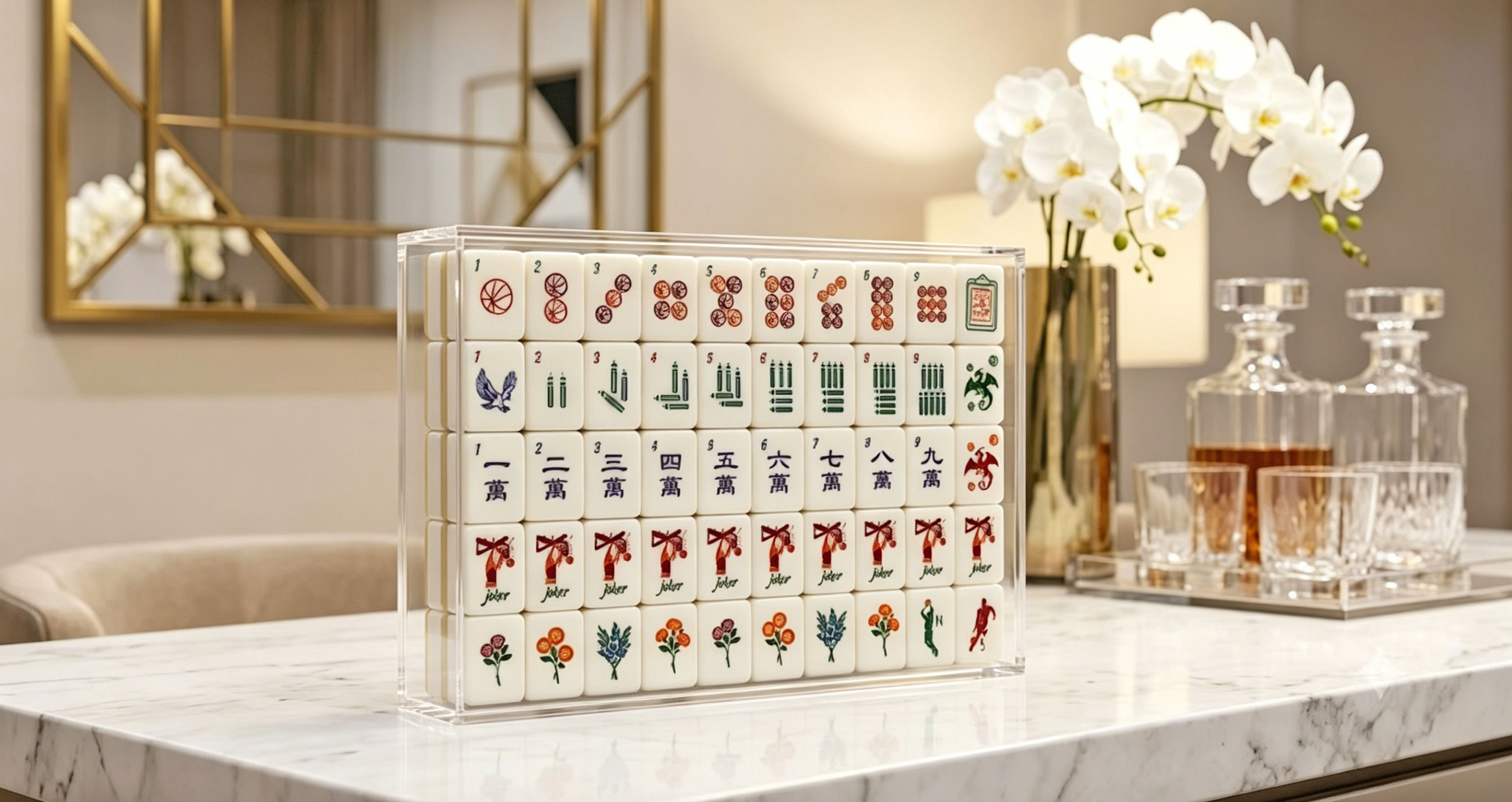
A sample is useful when it answers the buyer's unresolved questions and creates a documented reference for the order. Agree what the sample represents, what remains provisional and how changes will be approved. Sample fees, minimum quantities, revision charges and timing are confirmed for each project.
Define the sample scope first
| Stage | Decision to make | Record to keep |
|---|---|---|
| Brief and artwork | Playing format, face list, tile dimensions, material proposal, decoration and accessory list | Versioned brief, tile map and artwork PDF |
| Appearance sample | Colour, artwork placement, edge finish and feel | Physical reference and dated inspection notes |
| Complete set sample | Tile quantities, racks, mat, bag or box fit and final presentation | Bill of materials, packing layout and discrepancy list |
| Production approval | Which sample and file versions govern the order | Written approval with exceptions and change control |
A colour chip or a few decorated tiles may help an early decision, but they do not demonstrate complete-set contents or packaging fit. If a sample uses a substitute material or temporary decoration process, label the difference before approval.
Inspect the actual sample
- Count the faces, Jokers, flowers and spares against the agreed tile map. Do not use “152” or “160” as a substitute for an itemised contents list.
- Measure the agreed dimensions using a defined method. Record project-specific tolerances and sample locations; there is no universal tolerance established by this guide.
- Compare artwork placement and colours with the approved references under agreed lighting. Check symbols at normal playing distance.
- Check edge feel, visible defects, stacking and compatibility with the selected racks and storage layout.
- Run the handling, cleaning or transport checks relevant to the intended use, using written conditions and acceptance criteria.
Handle revisions as a controlled change
Keep a single issue list with photographs, sample identifiers and the requested correction. Separate a defect against the approved brief from a new design preference. Ask whether the change affects materials, tooling, artwork, cost or schedule. Agree revision charges and any need for a second sample in writing.
Connect sample approval to production
Keep an approved reference sample with the buyer and agree how the production partner will use an equivalent reference. The purchase order should identify the artwork revision, bill of materials, inspection method, defect categories, acceptance limits and remedies. A sample approval does not by itself define batch inspection or guarantee identical colour under every viewing condition.
Frequently asked questions
How long will sampling take?
Request a project schedule after the artwork, materials and sample scope are reviewed. Confirm the starting event, working or calendar days, revision time and delivery transit separately.
Is the sample fee refundable?
Request the written fee and credit terms for your quotation, including any order threshold or validity period. No automatic refund or free revision policy is established here.
Should packaging be sampled too?
Include it whenever fit, presentation or transport protection is important. A tile-only sample cannot confirm that the complete packed set fits the proposed box.
Use the design file checklist and packaging guide together, then send a project brief.