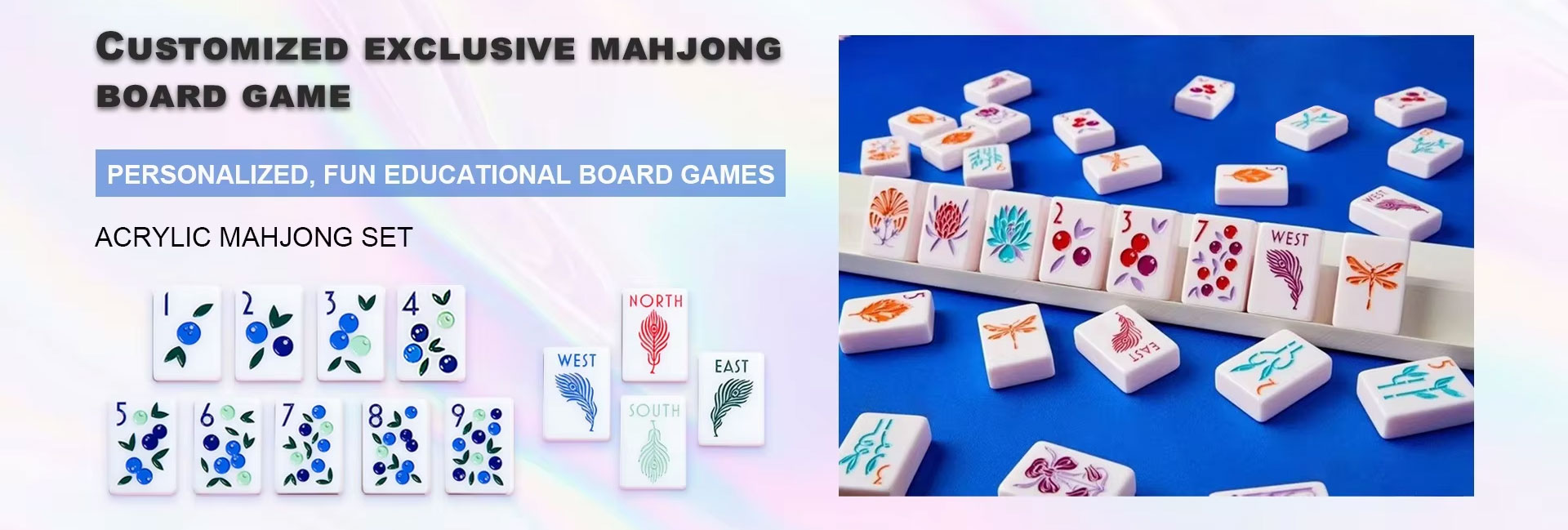
Ask the supplier to explain the proposed process for your particular acrylic mahjong construction. Cutting, forming, decoration and finishing choices depend on the design. No industry market share, satisfaction rate or uniformity percentage is needed to evaluate a concrete process proposal.
Connect the process to the drawing
Provide the tile geometry, artwork and desired appearance. Ask which operations create the shape, edges, face markings and colour. Identify the points at which design changes would require new tooling, files or samples, and have those consequences reflected in the quotation.
Review process-sensitive features
Use samples to inspect fine graphics, edge finish, layers, bonded areas and surface appearance. Ask which measurements or visual checks will be repeated during production. A display rendering does not demonstrate how a process will perform on the selected material.
Approve evidence rather than a process label
Retain a representative sample, drawing revision and acceptance criteria. Request a clear record of any change to material or method after approval. Claims about precision, strength or durability need applicable test conditions and results; a process description alone cannot establish those outcomes.
Prepare the next decision
Next, review inspection planning alongside your current brief. Review the custom American mahjong set project page or send a project question with the relevant drawings, photographs and open decisions.