To reorder a custom mahjong collection, send the previous order reference together with the approved product specification, the quantity required for each version and a clear list of changes. Ask for current availability, commercial terms and a review plan before treating the repeat order as confirmed.
“The same as last time” can refer to the original drawing, an early sample or the final delivered set. A short, organised reorder brief identifies which version you mean and gives the supplier a practical basis for checking the next batch.
Start with the final accepted version
Find the purchase order or project reference for the collection you want to repeat. Attach the final approved specification and production artwork, rather than the first concept files from the original enquiry. If you approved changes during sampling or production, include those decisions in the reference package.
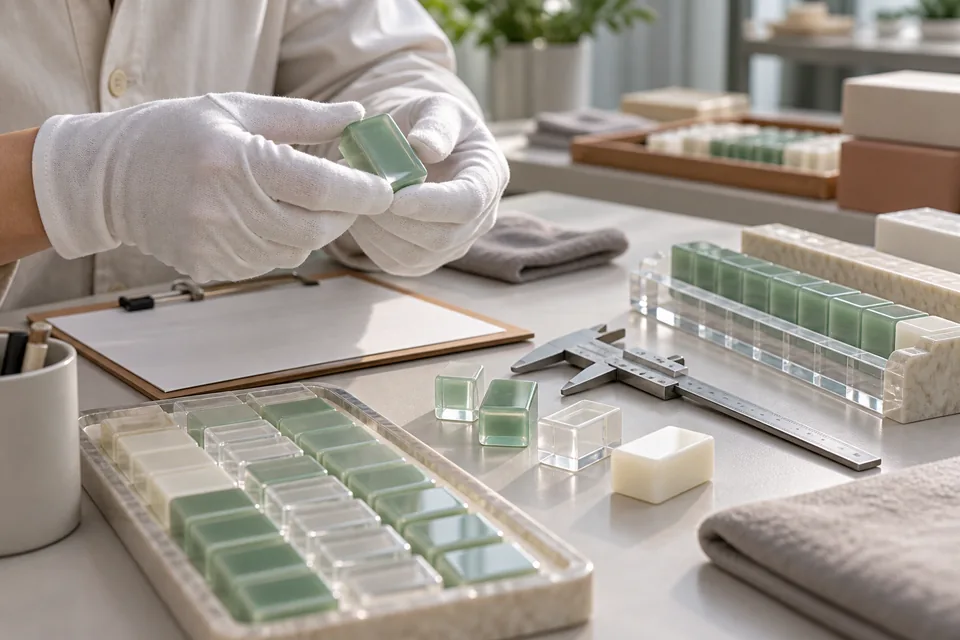
Identify the retained sample separately. Record its sample ID, approval date and any agreed exceptions. A photograph of a retail set can help identify it, but it should not silently replace the written tile list or dimensional drawing.
For the broader product-development process, see Private Label Acrylic Mahjong: From Concept to Reorder. This checklist focuses on the information to hand over when the next order is being discussed.
Build a repeat-order comparison sheet
List the previous approved version beside the version requested now. Use “unchanged” only where you have actually checked the record; use “to review” where the decision is still open.
| Item | Previous approved reference | What to state for the reorder |
|---|---|---|
| Collection and version | Order reference, product name and SKU | Which versions are being repeated and the quantity of each |
| Tile configuration | Face-by-face list and component quantities | Whether the configuration stays the same or specific pieces change |
| Dimensions and construction | Drawing revision and agreed material structure | Any proposed size, layer or finish changes |
| Artwork and decoration | Final production file revision | Whether faces, backs, numbers, logos or decoration methods change |
| Color references | Approved physical reference and sample ID | Which existing reference applies to each version |
| Accessories | Rack, pusher, mat, bag and other item references | What is included, omitted or substituted this time |
| Retail and shipping packaging | Approved print file, insert and packing layout | Revised copy, destination labels or different packing requirements |
The sheet is a communication tool. It does not establish that a discontinued component can be supplied again or that a proposed substitute has already been accepted.
Separate a true repeat from a changed product
A new order quantity is a commercial change. A different tile size is also a product change. A new bag, updated box insert or revised face design can affect what needs to be reviewed even when the collection name stays the same.
Make a separate change list, with one row for each affected item. Describe the old version, the requested replacement and the decision still needed. Ask the supplier to identify any further substitutions or process changes before confirming the order.
For example, a brand might keep the tile artwork but change from a boxed set to a carry-bag presentation. In this illustrative situation, the tile files can remain the reference while the accessory list, packing arrangement and quotation need a fresh review. Calling the whole project “unchanged” would hide those decisions.
Confirm quantities by version and component
Give the requested quantities for each design or colorway, followed by the combined total. State whether the order is for complete sets, tiles alone or a particular accessory. If you want spare pieces, describe them separately from the complete-set quantity and ask whether they can be included.
Do not assume that an approved design guarantees a smaller reorder minimum. Materials, custom effects, packaging structures and accessory sourcing can still affect feasibility. Request the current quantity requirements for the actual configuration, including any restrictions that apply separately to a colorway or component.
Use the mahjong quotation comparison guide to distinguish product units, samples, setup work, packaging and delivery scope. Ask which charges apply again; an earlier invoice does not establish the price of a new order.
Agree the checks before production
Ask which parts of the previous approval remain applicable and which need another check. The review scope should follow the changes and the evidence available, rather than a blanket assumption that every reorder needs a complete new sample or that none needs one.
Possible questions for the discussion include:
- Are the specified material, finish and accessories currently available?
- Does the proposed configuration still match the retained reference?
- Have any files, components or decoration methods changed?
- Which sample or first-piece checks are proposed, and what will they verify?
- Who reviews differences, and how is acceptance recorded before proceeding?
If colors are part of the change, use the colorway sample approval checklist to keep each version tied to its own references. For the wider approval process, review the custom mahjong sampling guide.
Check packaging and delivery details again
Review the retail packaging copy even if the physical product is unchanged. A new website address, product description or insert version can leave old printed materials unsuitable for the next order. Identify the current artwork and ask whether any previously prepared packaging is being proposed for reuse.
State the destination, delivery requirements and requested arrival date. Ask for a current schedule that distinguishes approvals, production and transport. Record dependencies and outstanding decisions; the elapsed time of the first order is not a delivery commitment for the next one.
A brief you can copy into your enquiry
Use the following prompts as an outline and fill them with your own project information:
- Previous order: order or project reference and collection name.
- Version to repeat: final specification revision, artwork revision and accepted sample ID.
- Quantity now requested: quantity per SKU or colorway, plus the combined total.
- Items included: tiles, accessories, spare pieces and packaging requirements.
- Requested changes: itemised changes, or confirmation that the attached specifications remain the requested reference.
- Destination and timing: delivery location and requested arrival date.
- Questions to confirm: current availability, applicable minimums, review or sampling scope, quotation and schedule.
- Approval contact: the person who will confirm revisions and the next order documents.
Attach a clearly named file set and ask the recipient to identify any missing or conflicting references. Keep the resulting decisions with the new order so that the following reorder starts from a complete record.
FAQ
Can I place a smaller mahjong reorder than my first order?
Ask for an assessment using the current specification and the quantity you need. Existing artwork does not remove every material, packaging or accessory requirement. The applicable minimum must be confirmed for the proposed order.
Can I reuse the original artwork files?
Provide the final approved production revision as the reference and ask whether it remains suitable. Include later corrections and clearly identify any new artwork. Do not substitute an early presentation file for the final approved version.
Do repeat orders always need new samples?
Agree the review scope for the actual order. Unchanged references, proposed substitutions and product changes call for different checks. Record what the chosen review covers and what remains unresolved before proceeding.
Can I reorder one colorway without the others?
List that colorway and its requested quantity explicitly, then ask about its current material, packaging and quantity requirements. A previous mixed order does not by itself confirm the terms for a single-version reorder.
Send a clear reorder request
For a custom American mahjong set project, gather the previous order reference, current quantity and change list before requesting the next quotation.
Send your reorder brief to MahjCustom with the relevant files and outstanding questions so the proposed repeat order can be reviewed against the correct version.