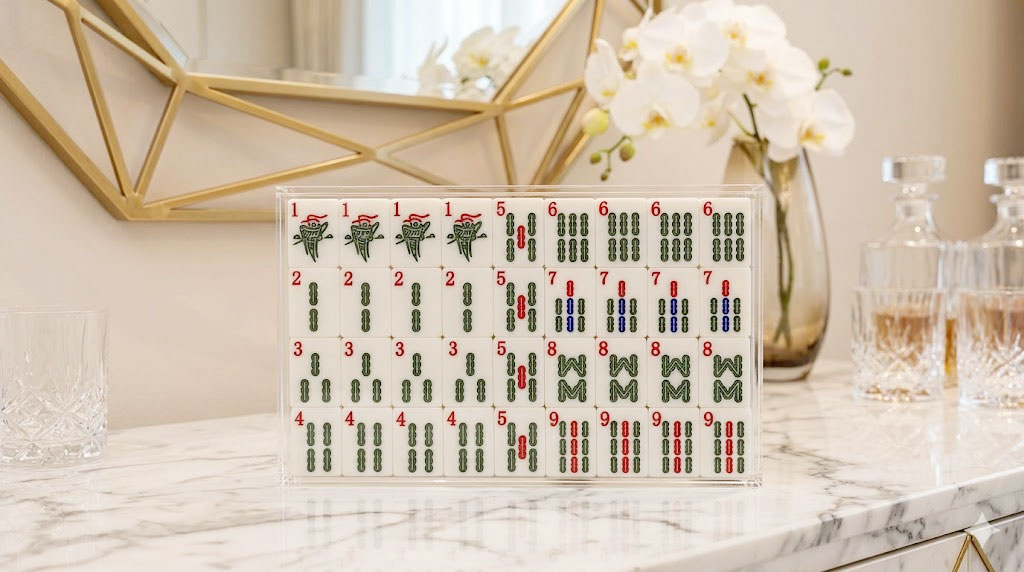
A private label project needs more than a logo. Define the playing configuration, visual identity, accessory system and retail presentation together. A clear brief makes supplier proposals comparable and reduces changes after the sample stage.
Separate the brand assets from the product specification
Prepare the logo, tile-face artwork, colour references and packaging copy in versioned files. Separately list tile counts, dimensions, rack compatibility, case layout and included accessories. State who can approve revisions and which files are ready for production.
Define ownership and permitted use
Confirm that you can use the supplied artwork, names and symbols. Ask how design files, samples and tooling will be handled after the order. Document any confidentiality or exclusivity arrangement with the relevant parties instead of assuming that adding a logo creates exclusive rights.
Plan a controlled launch
Approve a representative set and its packaging before committing to the finished configuration. Build the launch plan from quoted milestones, inspection and transport arrangements. Sales demand, margins and reorder speed require your own channel evidence; a private label product does not guarantee a profitable launch.
Prepare the next decision
Next, review prepare your artwork alongside your current brief. Review the custom American mahjong set project page or send a project question with the relevant drawings, photographs and open decisions.
File preparation reference: Adobe Illustrator package files explains collecting linked assets for handoff. Confirm the receiving supplier’s formats and artwork requirements separately.