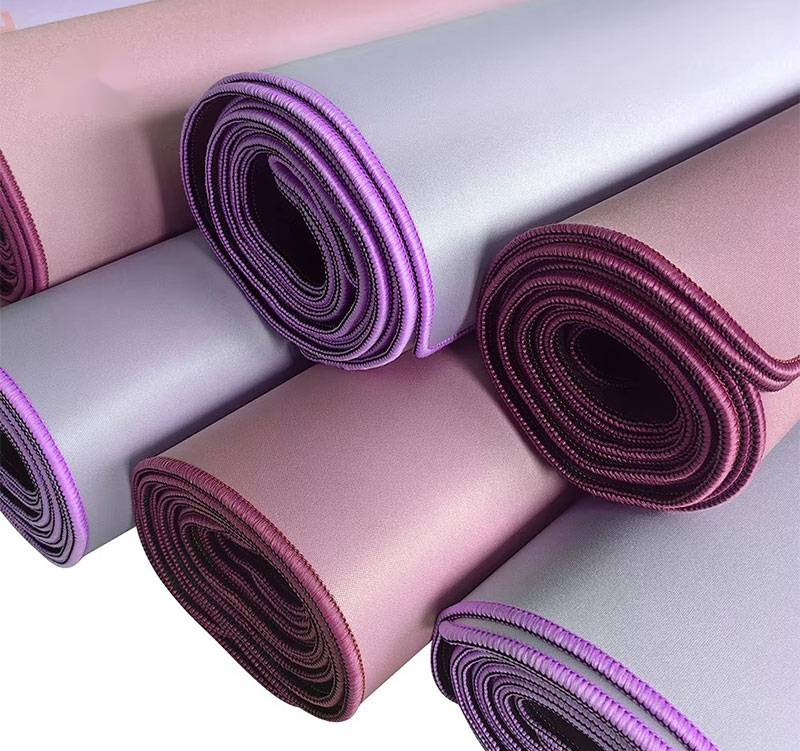
Choose how to pack a mahjong mat after reviewing the proposed material construction and a representative packed sample. Ask the supplier which packing methods are suitable, then compare the packed dimensions, unpacking experience and fit with any carrying bag or complete set. A compact package is useful only if the mat still meets the agreed requirements when opened.
For a brand or retailer, the decision also affects what the customer receives: a mat sold separately, an accessory beside a boxed tile set, or a component inside one combined package. Define that arrangement before approving the packing method.
Start with the exact mat construction
Record the finished length, width, thickness, surface, backing and edge treatment. Include the print layout revision and any protective layer proposed for packing. If these details are still being developed, ask the supplier to identify the construction used for each packaging sample.
Do not assume that two mats with similar artwork can be packed in the same way. Ask whether rolling, folding or another arrangement is suitable for the proposed construction and what instructions apply. Avoid choosing a fold pattern or roll direction simply because it makes a mockup fit the planned box.
The custom mahjong mat project page covers the wider product brief. Here, the question is narrower: which packing arrangement should be reviewed and accepted for that mat?
Compare the proposed arrangements on the same basis
Ask for a packing sketch and a physical sample of each suitable option you are considering. Compare the same finished mat specification wherever possible. If the supplier changes the material or thickness between options, record that difference so it is not mistaken for a packaging-only comparison.
| Decision | Rolled arrangement: ask or check | Folded arrangement: ask or check |
|---|---|---|
| Suitability | Which roll direction and method are proposed for this construction? | Is folding suitable, and which fold pattern is proposed? |
| Packed size | Measure the finished roll with any sleeve, strap or bag included | Measure the complete folded pack with any protective layers included |
| Surface contact | Identify what touches the printed face and edges while packed | Identify the areas in contact at the folds and between layers |
| Opening | Check removal from the pack and the mat's condition after unrolling | Check removal, unfolding and the condition along the fold locations |
| Storage | Try returning the mat to the intended carrying or storage accessory | Try repeating the instructed fold and closing the intended storage pack |
| Set integration | Confirm where the roll sits relative to the tile box and accessories | Confirm the assigned space and clearance in the combined package |
Treat these as review questions, not evidence that either method is appropriate for every material. If only one method is supported for the proposed mat, assess that option against your retail and delivery requirements rather than forcing a second format.
Measure the package the buyer will actually receive
Request packed measurements after the mat, protective layers and retail packaging have been assembled. The dimensions of an empty bag or an unfilled box do not describe the finished item.
Keep the measurements for each packaging level separate:
- Mat in its storage accessory: the mat with the agreed strap, sleeve or carrying bag, if included.
- Retail unit: the complete product as it will be sold, including cards, labels and presentation packaging.
- Shipping pack: the outer carton and protection for the specified number of retail units.
Ask for the packed weight and carton arrangement for the actual proposal. Do not compare a bare mat measurement with another supplier's boxed retail unit. For a commercial comparison, use the mahjong quotation guide to keep product, packaging and delivery scope visible.
Review what happens after unpacking
Agree the packing method, storage conditions and review timing before assessing the sample. Record how the sample was packed and how long it remained that way. Review it on the intended table surface, following the supplier's proposed unpacking instructions.
Observe the mat immediately after opening and at any later review point agreed for the project. Note raised edges, visible fold lines, surface marks, changes in printed areas and any difficulty positioning the mat. Check the edge finish and backing as well as the decorated face. Record the observations without turning one sample result into a general performance claim.
Place the intended racks and tiles on the mat to assess the setup you plan to sell. Keep this distinct from reviewing print color or artwork placement. A sample may be acceptable in one respect and still need changes in another.
Ask for care and storage instructions appropriate to the selected construction. Do not improvise heat, ironing or cleaning treatments to make a packaging sample appear acceptable. If the proposed unpacking process is inconvenient for the intended customer, discuss the construction or packing arrangement again.
Decide whether the mat belongs inside the set box
A complete collection does not necessarily need every component inside one retail box. Discuss the options using the intended retail presentation and fulfilment process.
For an illustrative example, a retailer may want to sell a tile set and matching mat together. The tile box may already fit the tiles, racks and small parts, while the proposed mat requires a separate carrying bag. The decision is then whether to offer a clearly identified two-piece bundle or develop a different combined package. The mat should not be folded into the existing box without reviewing that change.
If the mat is inside a combined package, test the complete arrangement with every other included item. Identify where the mat sits, what it touches and how the customer removes it. Use the box insert sample checklist for the complete-set fit review.
If it is packed separately, make the contents list clear for packing staff, fulfilment partners and the customer. Identify the matching design or version on the relevant packaging records so that the correct mat accompanies the correct set.
Record the packing method as part of approval
The approval should identify the mat specification, artwork revision, packaging components and packing instructions. Include photographs of the packed and unpacked sample, measured dimensions, review conditions and any unresolved observations.
Keep sample acceptance tied to that configuration. A different thickness, backing, edge finish, bag or box can warrant another review. Confirm any effect on price, minimum quantities, sample requirements and schedule for the revised proposal.
Fit and unpacking checks do not establish transport performance. Agree any required shipping validation for the complete outer pack and intended route separately, as described in the mahjong packaging overview.
FAQ
Is rolling always better than folding a mahjong mat?
No single answer applies to every mat construction or retail format. Ask which methods suit the specified mat, then review the packed size, unpacked condition and storage experience on representative samples.
Can a folded mat be approved from a photo?
A photo can show the proposed arrangement, but it cannot establish handling or the mat's condition after unpacking. Identify what was reviewed and reserve the relevant decisions for a physical sample.
Can I choose the carrying bag before the packing method?
You can set a style direction early. Confirm the final bag dimensions and closure against the mat packed using the agreed method. Try both removal and repacking before accepting the combination.
Does a smaller retail pack mean a lower shipping cost?
Ask for a quotation using the complete packed dimensions, weight, carton configuration and delivery scope. A smaller-looking retail pack alone is not enough to establish the total delivered cost.
Send a mat packaging brief
Prepare the mat specification, quantity per design, proposed retail arrangement, destination and the storage experience you want customers to have. Include any existing tile box or mat carrying bag that the mat needs to fit.
Discuss your mat packaging brief with MahjCustom and ask which sample configuration will resolve the open decisions.