
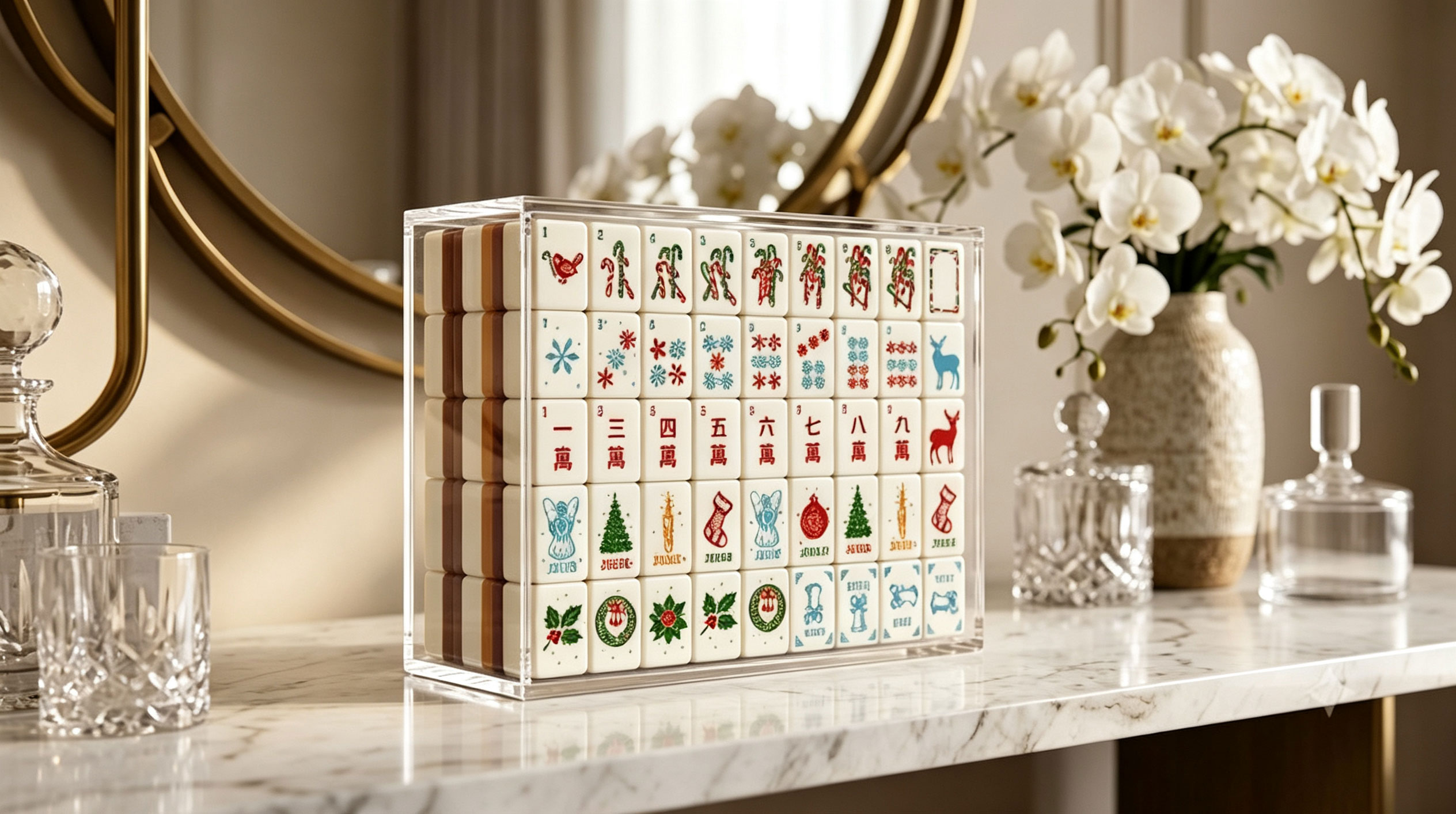
Choose a decoration method by comparing physical samples on the intended tile material. The process name alone does not establish wear resistance, colour accuracy or service life. This guide explains what to ask and inspect; available methods and production arrangements must be confirmed for the selected configuration.
What is being compared?
| Approach | Typical construction to confirm | What the buyer should inspect |
|---|---|---|
| Engraving with painted fill | Recessed shapes with a separate colour fill | Recess consistency, edge cleanliness, fill coverage and excess paint on the face |
| Engraving with UV ink | Engraved areas combined with a UV-cured ink application | Which areas receive ink, whether the ink stays within recesses, curing and adhesion on the chosen material |
| Direct UV printing | Ink printed onto a prepared face, possibly with a white layer or coating | Registration, opacity, fine detail, texture, adhesion and exposed printed edges |
Names such as “engraving UV” may describe different workflows. Ask for a process description and a cross-section or close-up of the actual sample. Do not assume that every engraved mark is protected from wear or that every printed face has a protective coating.
How should the sample comparison be run?
- Use the same artwork, face size and material where feasible. Otherwise record the differences so the comparison stays meaningful.
- Include small text, solid colour, a fine outline and a complex symbol. View at normal playing distance and inspect close-ups for diagnosis.
- Agree a handling and cleaning test relevant to the intended use. Specify the contact surface, cleaning agent, number of cycles and acceptance criteria before testing.
- Record photographs before and after the agreed test, including lighting and sample identifiers.
What belongs in an acceptance sheet?
Define the acceptable location variation, fill gaps, visible scratches, colour range and legibility for this project. Use a signed physical reference where appearance matters. Any quantitative threshold should come from a capability review and an agreed test, rather than a claim that one process gives “zero peeling” or lasts a fixed number of uses.
How do artwork and cost interact?
Fine recesses, many fill colours, white underprinting, multiple passes and additional finishes can change setup work and yield. Ask for quotations using the same tile list and acceptance criteria. Request the cost and schedule effect of a design change before approving it; this guide contains no standing company price or lead-time commitment.
Frequently asked questions
Which method is most durable?
There is no result established for your design until its actual material, preparation, ink or paint, curing and use conditions are evaluated. Compare representative samples against a written test plan.
Can the digital proof establish colour accuracy?
It can confirm artwork and placement. Use the agreed physical sample and lighting to decide whether the production colour is acceptable.
Prepare the artwork checklist, then follow the sampling guide. Explore the custom mahjong project page to prepare your brief.
Artwork handover reference
Adobe’s Illustrator packaging guide explains collecting a document and linked resources for handover. Agree the files needed by the decorator; this reference does not establish any printing method’s durability.